Bringing healthcare skills to life: RESILIENCE workshop at Lochgelly High School
3rd November 2026
What does it take to work in healthcare? From understanding clinical equipment and developing practical skills to communicating with patients and preparing for job interviews, a career in healthcare requires a combination of technical knowledge and interpersonal skills.
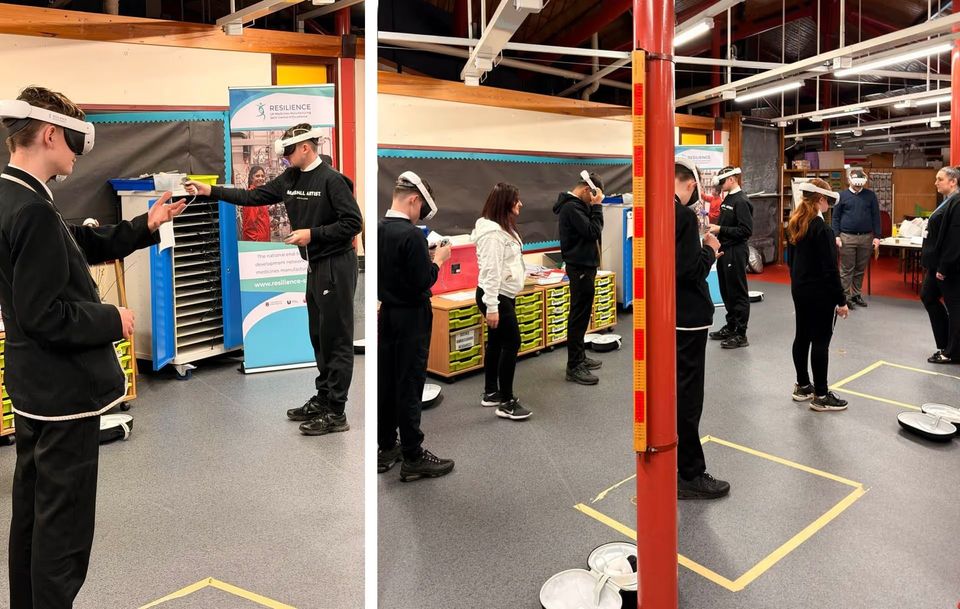
As part of a Health Sector course for National 5 students at Lochgelly High School, the RESILIENCE team at Heriot-Watt University delivered an interactive workshop designed to connect students' classroom learning with the knowledge and skills needed across the healthcare sector. Through a combination of practical activities, employability training and immersive technologies, students had the opportunity to explore healthcare careers and put some of their learning into practice.
Exploring healthcare careers and employability
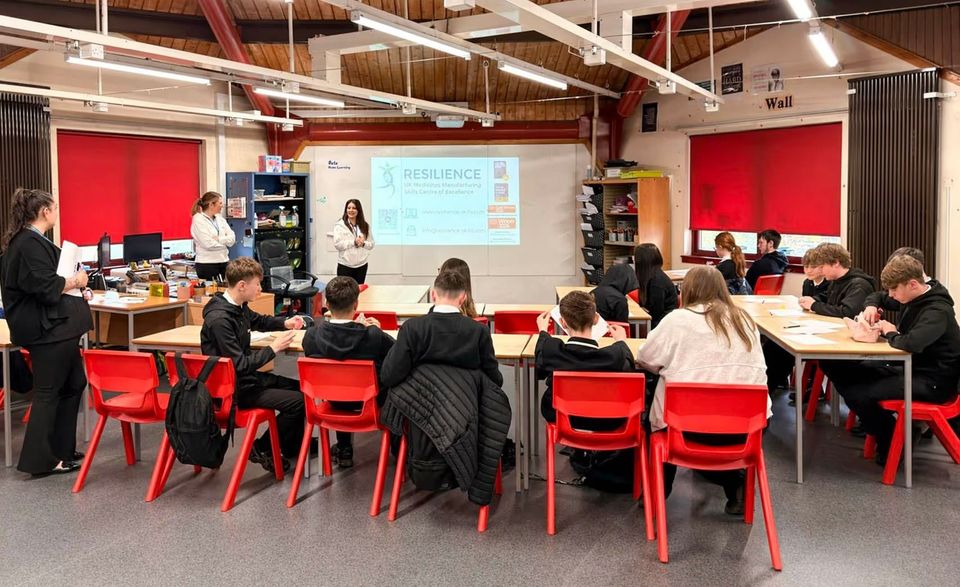
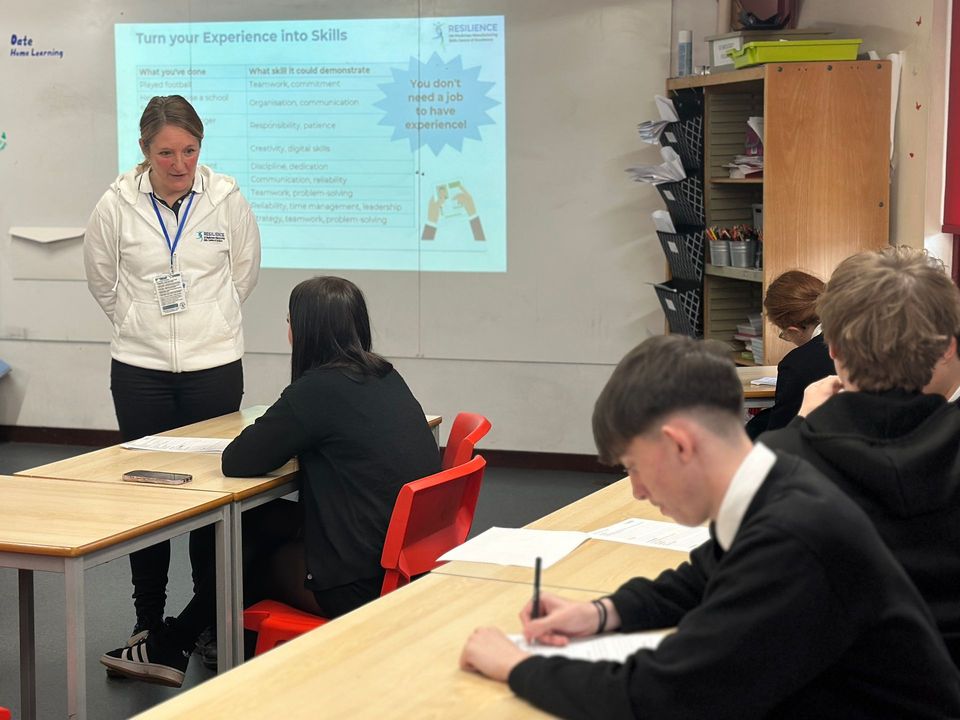
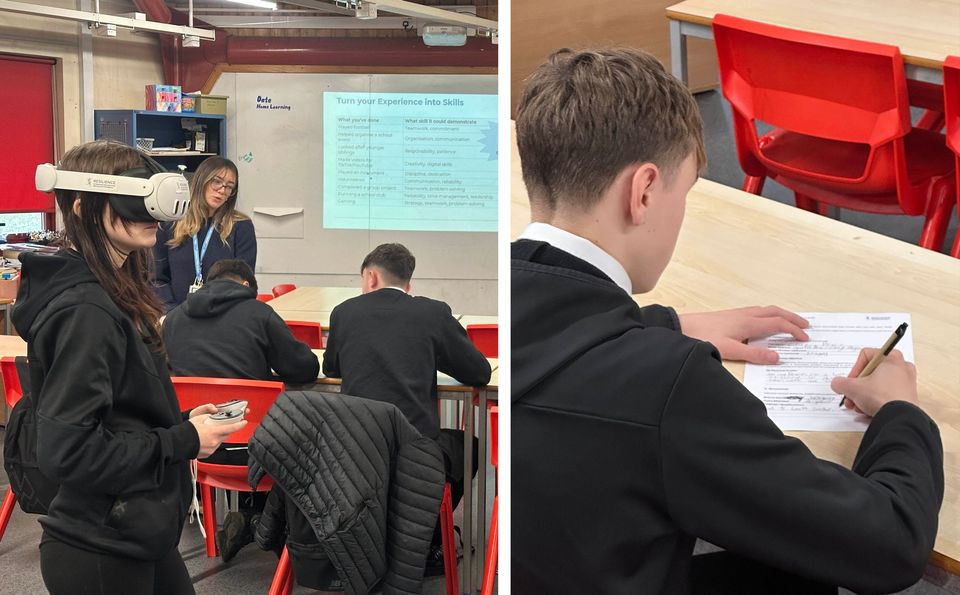
The workshop began with an introduction to the range of clinical and non-clinical careers available across the healthcare sector, exploring different entry routes and the skills and attributes needed for various roles. Students also focused on preparing for future opportunities, learning about the basic structure and purpose of a CV before having the opportunity to draft their own using guided questions.
Developing technical skills through immersive technology
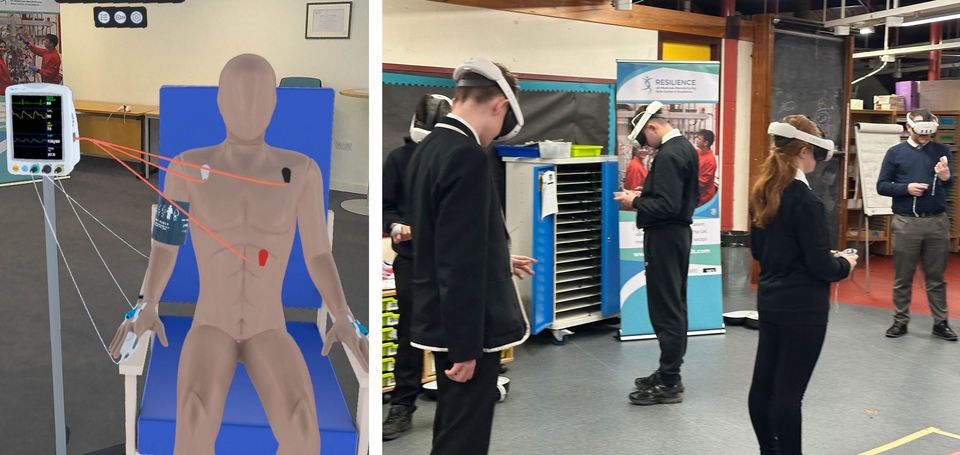
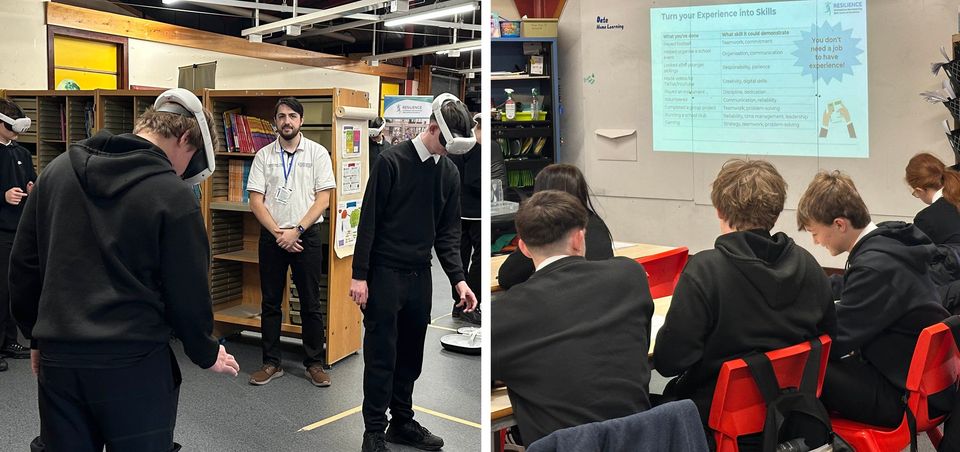
A key part of the workshop was the opportunity to get hands-on with clinical equipment through mixed reality (MR), exploring how technology can support practical skills development. Using FourPlus’s Eclipse Creator software, students identified different pieces of medical equipment and explored how they connect to a patient. They then put this into practice by setting up and connecting a vital signs monitor to a simulated patient, gaining an insight into how this equipment is used in clinical settings.
Practising the people skills behind patient care
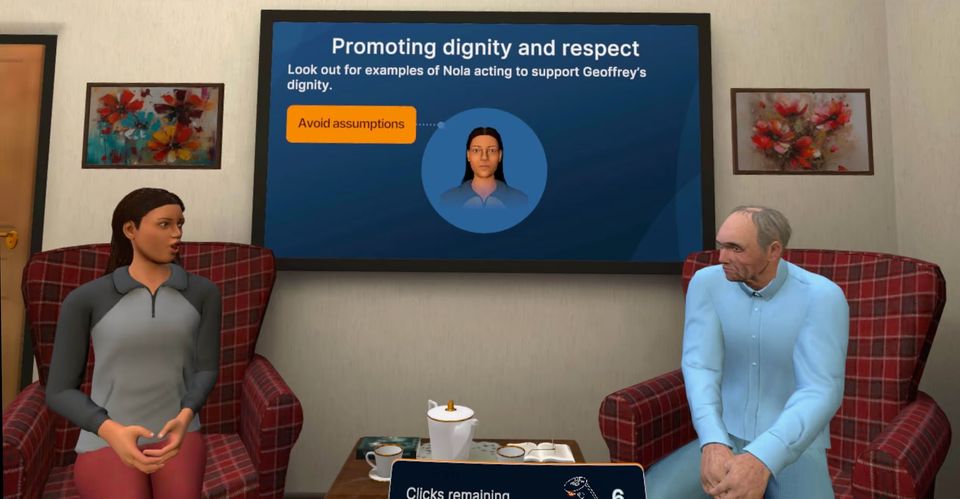
Technical knowledge is only one part of working in healthcare. Communication, empathy and the ability to treat patients with dignity and respect are equally important.
Through virtual reality (VR) role-play scenarios developed by Bodyswaps, students had the opportunity to practise interview techniques using the STAR approach and experience simulated patient interactions. These scenarios encouraged them to consider how they communicate with patients, respond to different situations and demonstrate empathy, dignity and respect.
Extended Reality (XR) provides a safe, simulated environment in which students can practise these important interpersonal and technical skills, consider their responses, learn through active participation and build confidence in applying their knowledge to real-world situations.
Connecting learning with future opportunities
By combining curriculum-linked activities, practical skills training and immersive technologies, the workshop highlighted the different skills involved in healthcare careers and how they complement one another.
At RESILIENCE, we believe that giving young people opportunities to apply their learning in practical contexts can help make education more relevant and engaging. By bringing together technical skills, employability training and XR experiences, we aim to help students better understand the opportunities available to them and the skills they can begin developing today.
Bringing the National 5 curriculum to life
Experiences like these add significant value to classroom teaching by giving students the opportunity to put their learning into practice in an engaging and interactive way. By integrating XR activities into National 5 learning, the workshop reinforces curriculum-aligned modules, while providing opportunities to develop practical, technical and transferable skills that can be difficult to replicate through traditional teaching alone. It also helps students make meaningful connections between what they learn in the classroom and how these skills are applied in real healthcare settings, bringing the curriculum to life and giving them a clearer insight into potential future career pathways.